Pamelas Sweet Bread Recipe – Whisk Guide
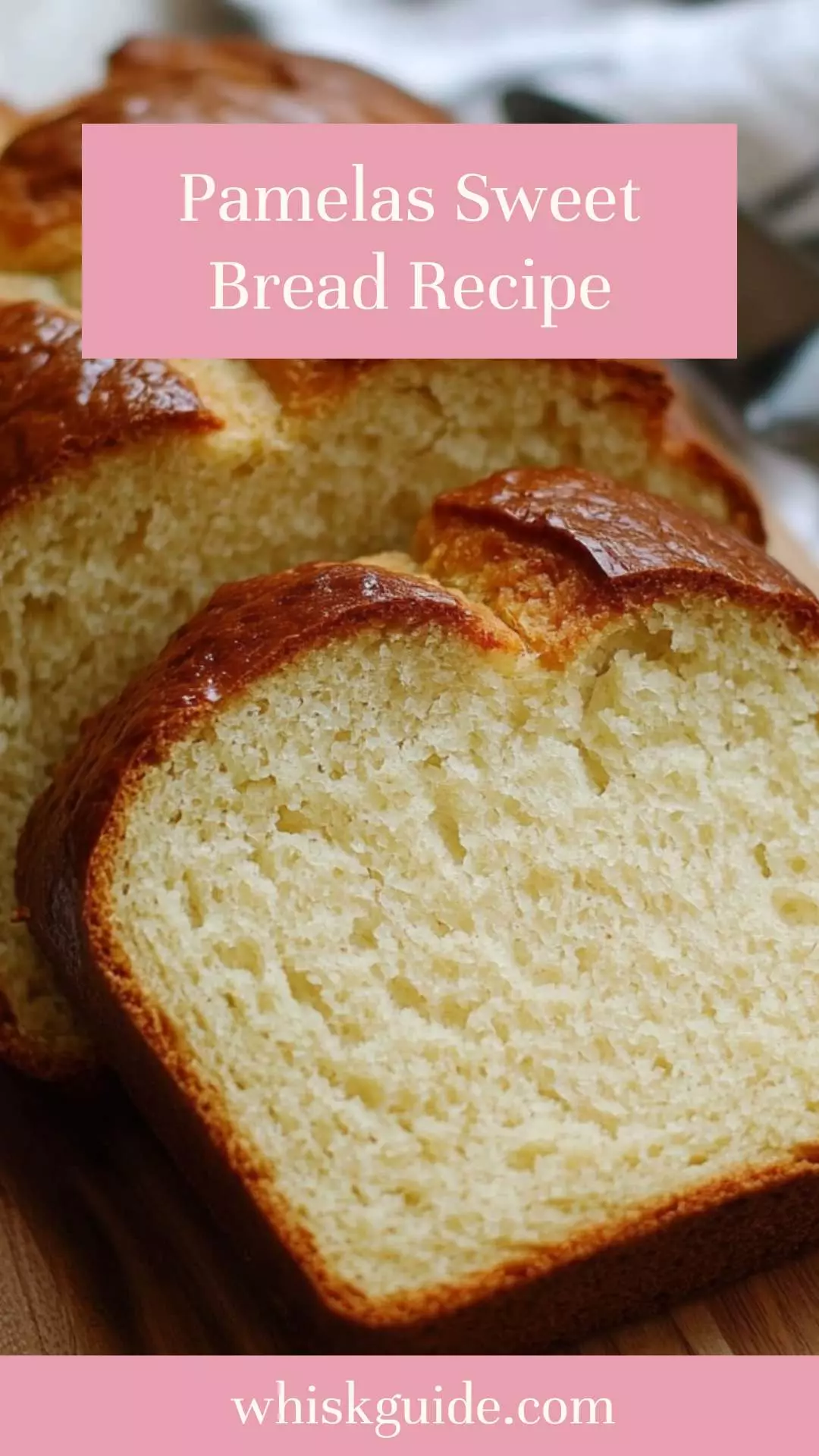
Before diving into the delightful nuances of Pamela’s Sweet Bread, let’s talk about what can make this dish shine even brighter. Imagine serving it alongside a warm cup of coffee or tea. Hot beverages elevate the sweetness and add a comforting dimension to the dining experience.
Fresh fruits, such as strawberries or blueberries, offer a refreshing contrast that balances the flavors beautifully.
Another great pairing is yogurt. A dollop of Greek yogurt brings a creamy texture and tanginess that complements the sweetness. Finally, if you want to make it more decadent, a spread of almond butter or cream cheese can take things up a notch.

Ah, Pamela’s Sweet Bread. It’s not just food; it’s a comfort zone on a plate. As a food enthusiast and registered dietitian, I’ve had my fair share of breads, but this one holds a special place in my heart. From the moment I first tasted it, I knew I had stumbled upon something truly wonderful.
What makes this sweet bread worth the effort?
It’s all about the texture, taste, and versatility. Whether it’s breakfast or dessert, Pamela’s recipe can charm anyone’s palate. So, buckle up as we explore everything you need to know about this delightful dish.
What is Pamela’s Sweet Bread?
Pamela’s Sweet Bread is a soft, flavorful bread often enjoyed warm, fresh out of the oven. Made primarily with Pamela’s Artisan Bread Flour Mix, it features a rich blend of eggs, milk, and butter as the foundation of its flavor profile.
This unique combination lends itself to that soft, tender crumb we all crave in a sweet bread. The beauty of this recipe lies in its simplicity and the convenience of Pamela’s mix, which ensures consistent and delicious results.
What Does It Taste Like?
Taste is where Pamela’s Sweet Bread truly shines. It presents a delicate sweetness that isn’t overwhelming. The buttery, rich flavor, thanks to the melted butter and brown sugar, lingers pleasantly.
Each bite offers a light, airy texture, with the yeast providing just the right amount of rise. The subtle notes of vanilla add warmth and depth. Overall, it’s a bread that makes you feel good inside, like a warm hug from your grandmother.
Why This Recipe Works
Now, let’s delve into why this recipe is a must-try. There are several reasons worth highlighting:
1. Easy and Accessible Ingredients:
You don’t need a trip to a specialty store to find the ingredients. Everything you need is likely in your pantry—eggs, milk, butter, and the awe-inspiring PAMELA’S flour mix. It’s an effortless recipe perfect for bakers at any level.
2. Flexible Preparation:
This recipe is adaptable. You can mix, match, or modify based on what you have on hand. Want to make it dairy-free? Substitute with almond milk and coconut oil! Need it gluten-free? Pamela’s mix has got you covered.
3. Versatile Serving Options:
Pamela’s Sweet Bread is chameleon-like in its ability to suit various occasions. Enjoy it for breakfast, as a snack, or transform it into a dessert. Top it with fruit, yogurt, or simple icing, or serve it plain alongside hearty stews.
4. Consistent Results:
Using Pamela’s Artisan Flour distills much of the uncertainty of baking. The blend offers a perfect texture and flavor every time. This reliability allows you to whip it up without fear of failure, making it a reliable choice.
Ingredients for Pamela’s Sweet Bread
Gather the following ingredients for this indulgent treat:
- 3 large eggs
- 1/2 cup whole milk, slightly warmed
- 3/4 cup warm water
- 1/4 cup unsalted butter, melted
- 1/4 cup light brown sugar
- 1/2 teaspoon pure vanilla extract
- 1/4 teaspoon fine sea salt
- 2 ¼ teaspoons active dry yeast or one 7-gram yeast packet
- 1 (19-ounce) package (3 1/2 cups) Pamela’s Artisan Bread Flour Mix

Step-by-Step Instructions
Let’s roll up our sleeves and get started! Here’s how to make Pamela’s Sweet Bread:
Step 1: Prepare the Yeast Mixture
Start by warming your water and milk lightly. You want them to be comfortably warm to the touch, not boiling. In a mixing bowl, combine the warm water, warm milk, and yeast. Let this sit for about 5 to 10 minutes until it becomes frothy. This step is crucial for activating the yeast!
Step 2: Mix the Wet Ingredients
In another bowl, whisk together the eggs, melted butter, brown sugar, and vanilla extract. Once combined, pour this mixture into the frothy yeast mixture. Give it a gentle stir to incorporate altogether.
Step 3: Combine Dry Ingredients
In a separate bowl, measure out the Pamela’s Artisan Bread Flour Mix and the sea salt. Mix well to ensure the salt is evenly distributed throughout the flour.
Step 4: Form the Dough
Gradually add the dry ingredients to the wet ingredients. Mix until you have a thick, sticky dough. You may find it easier to use a wooden spoon or spatula to combine everything.
Step 5: Knead the Dough
Turn the dough out onto a lightly floured surface. Knead it gently for about 5 minutes. It should become smoother and less sticky. Don’t go overboard—too much kneading can toughen the bread.
Step 6: First Rise
Place the dough in a lightly oiled bowl and cover it with a damp cloth or plastic wrap. Let it rise in a warm, draft-free area for about 1 to 1.5 hours, or until it has doubled in size. This phase is essential for developing the flavor and texture.
Step 7: Shape the Dough
Once risen, punch down the dough gently to release some air. Turn it out onto a floured surface. Shape it into a loaf or divide the dough for smaller rolls.
Step 8: Second Rise
Place your shaped dough into a greased loaf pan or onto a baking sheet for rolls. Cover it again and allow it to rise for another 30 to 45 minutes until it puffs up.
Step 9: Baking
Preheat your oven to 350°F (175°C). Bake for about 25 to 30 minutes, or until the top is golden brown and sounds hollow when tapped.
Step 10: Cool and Serve
Let your bread cool in the pan for 10 minutes, then transfer it to a wire rack. Allow it to cool completely before slicing. Enjoy the aroma wafting through your kitchen as you await the masterpiece.
Notes
Here are some tips for success:
- Temperature Matters: Your liquids should be warm, not hot. This ensures proper yeast activation.
- Don’t Skip the Kneading: Proper kneading helps develop the gluten structure for a better rise.
- Timing for Rising: Patience is key. If your dough hasn’t doubled, give it more time before proceeding.
- Check for Doneness: An instant-read thermometer will tell you when your bread is done. Aim for an internal temperature of about 190°F (88°C).
- Storage Tips: To maintain freshness, wrap cooled bread tightly in plastic wrap and store it in a cool place.

How to Store Leftovers?
You can store leftover Pamela’s Sweet Bread easily:
- Room Temperature: Keep it in a bread box or wrapped in plastic wrap at room temperature for 2-3 days.
- Refrigerator: Wrap tightly and store in the fridge for up to a week. However, the texture may change, becoming denser.
- Freezer: Slice and wrap the pieces individually in plastic cling wrap, then place them in a freezer bag. They can last for up to 3 months. When ready to eat, thaw at room temperature or pop in the toaster.
Sides for Pamela’s Sweet Bread
Enhance your meal with these side suggestions:
1. Fresh Fruit Salad:
A mix of seasonal fruits adds freshness and a burst of flavor. Berries, melons, and citrus complement the bread perfectly.
2. Whipped Cream:
A light, fluffy whipped cream makes for a lovely topping, especially if you’re serving it as a dessert.
3. Greek Yogurt:
Another option is to serve plain Greek yogurt on the side. Its tang balances the sweetness nicely.
4. Chocolate Spread:
For chocolate lovers, a rich chocolate spread brings joy. It creates a luxurious twist to the already delightful bread.
Alternative Ingredient Choices
If you’re missing something from the ingredient list, here are some substitutions:
1. Milk:
Use almond milk or oat milk if you’re dairy-free. Both options perform well without sacrificing flavor.
2. Eggs:
Flaxseed meal or applesauce can replace eggs if needed. Use one tablespoon of flaxseed mixed with three tablespoons of water for each egg.
3. Brown Sugar:
Coconut sugar is a great alternative, offering similar sweetness with a subtle caramel flavor.
4. Butter:
Coconut oil works as a solid substitute. Melt it and use it just like you would butter.


Pamelas Sweet Bread Recipe
Ingredients
Equipment
Method
- Start by warming your water and milk lightly. You want them to be comfortably warm to the touch, not boiling. In a mixing bowl, combine the warm water, warm milk, and yeast. Let this sit for about 5 to 10 minutes until it becomes frothy. This step is crucial for activating the yeast!
- In another bowl, whisk together the eggs, melted butter, brown sugar, and vanilla extract. Once combined, pour this mixture into the frothy yeast mixture. Give it a gentle stir to incorporate altogether.
- In a separate bowl, measure out the Pamela’s Artisan Bread Flour Mix and the sea salt. Mix well to ensure the salt is evenly distributed throughout the flour.
- Gradually add the dry ingredients to the wet ingredients. Mix until you have a thick, sticky dough. You may find it easier to use a wooden spoon or spatula to combine everything.
- Turn the dough out onto a lightly floured surface. Knead it gently for about 5 minutes. It should become smoother and less sticky. Don’t go overboard—too much kneading can toughen the bread.
- Place the dough in a lightly oiled bowl and cover it with a damp cloth or plastic wrap. Let it rise in a warm, draft-free area for about 1 to 1.5 hours, or until it has doubled in size. This phase is essential for developing the flavor and texture.
- Once risen, punch down the dough gently to release some air. Turn it out onto a floured surface. Shape it into a loaf or divide the dough for smaller rolls.
- Place your shaped dough into a greased loaf pan or onto a baking sheet for rolls. Cover it again and allow it to rise for another 30 to 45 minutes until it puffs up.
- Preheat your oven to 350°F (175°C). Bake for about 25 to 30 minutes, or until the top is golden brown and sounds hollow when tapped.
- Let your bread cool in the pan for 10 minutes, then transfer it to a wire rack. Allow it to cool completely before slicing. Enjoy the aroma wafting through your kitchen as you await the masterpiece.
Nutrition
Notes
- Temperature Matters: Your liquids should be warm, not hot. This ensures proper yeast activation.
- Don’t Skip the Kneading: Proper kneading helps develop the gluten structure for a better rise.
- Timing for Rising: Patience is key. If your dough hasn’t doubled, give it more time before proceeding.
- Check for Doneness: An instant-read thermometer will tell you when your bread is done. Aim for an internal temperature of about 190°F (88°C).
- Storage Tips: To maintain freshness, wrap cooled bread tightly in plastic wrap and store it in a cool place.
Tried this recipe?
Let us know how it was!Frequently Asked Questions
Conclusion
Pamela’s Sweet Bread is not just a recipe; it’s an experience. It brings joy, comfort, and a sense of home. From first bite to last, it beckons with deliciousness. Whether you dress it up or enjoy it plain, this bread is versatile enough to complement any dish or stand alone in glory.
So, what are you waiting for?
Let your kitchen be filled with the mouth-watering aroma of freshly baked semi-sweet bread. Gather your ingredients, roll up your sleeves, and let’s bring this delightful treat to life! You won’t regret it; your taste buds will thank you a hundred times over. Happy baking!
You’ll also like these latest recipes!
Related Post
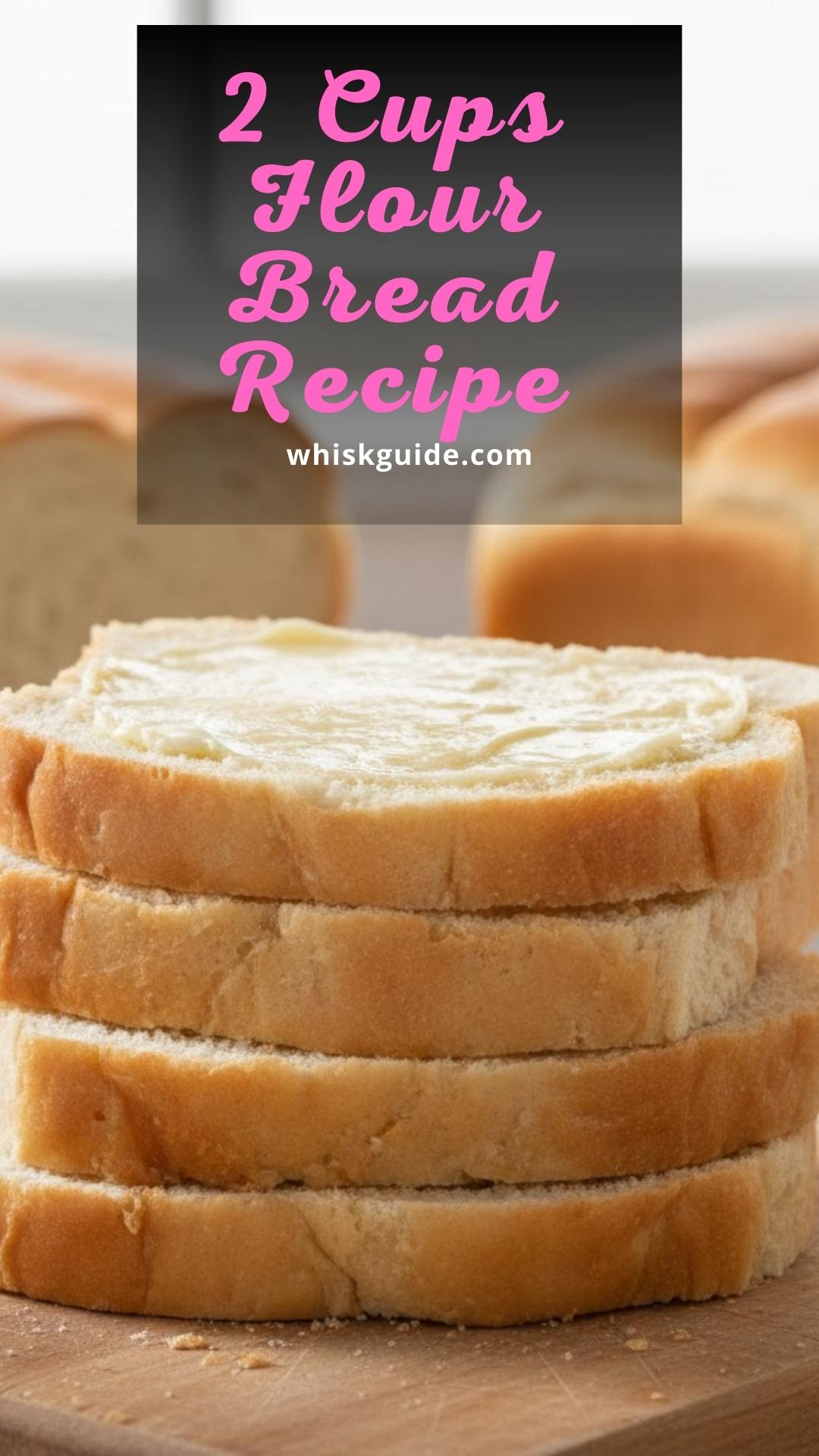
2 Cups Flour Bread Recipe – Whisk Guide2 Cups Flour Bread Recipe – Whisk Guide
Fresh bread is a staple I can’t resist. There’s something magical about the smell of bread baking in the oven or a bread machine that instantly feels like home. This

Pamela’s Pumpkin Pancake Recipe – Whisk GuidePamela’s Pumpkin Pancake Recipe – Whisk Guide
There’s something magical about the fall season—the crisp air, the vibrant leaves, and the inviting flavors of pumpkin spice. One of my favorite breakfast treats during this time is none
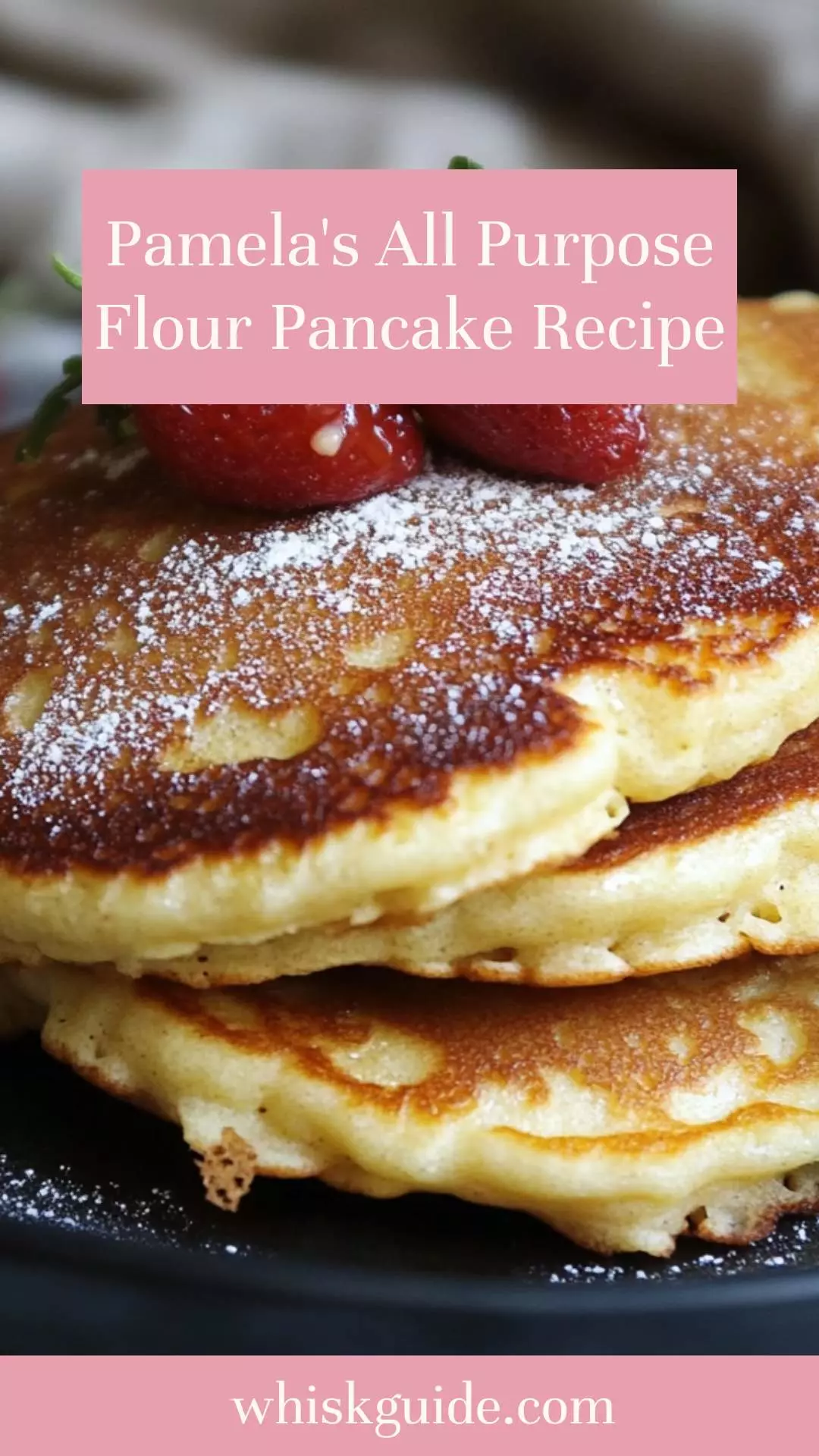
Pamela’s All Purpose Flour Pancake Recipe – Whisk GuidePamela’s All Purpose Flour Pancake Recipe – Whisk Guide
Before we dive into the enticing world of Pamela’s All-Purpose Flour pancake recipe, let’s discuss scrumptious companions for these beautiful brunch cakes. If you’re looking to elevate your pancake experience,