Mango Fruit Leather – Whisk Guide
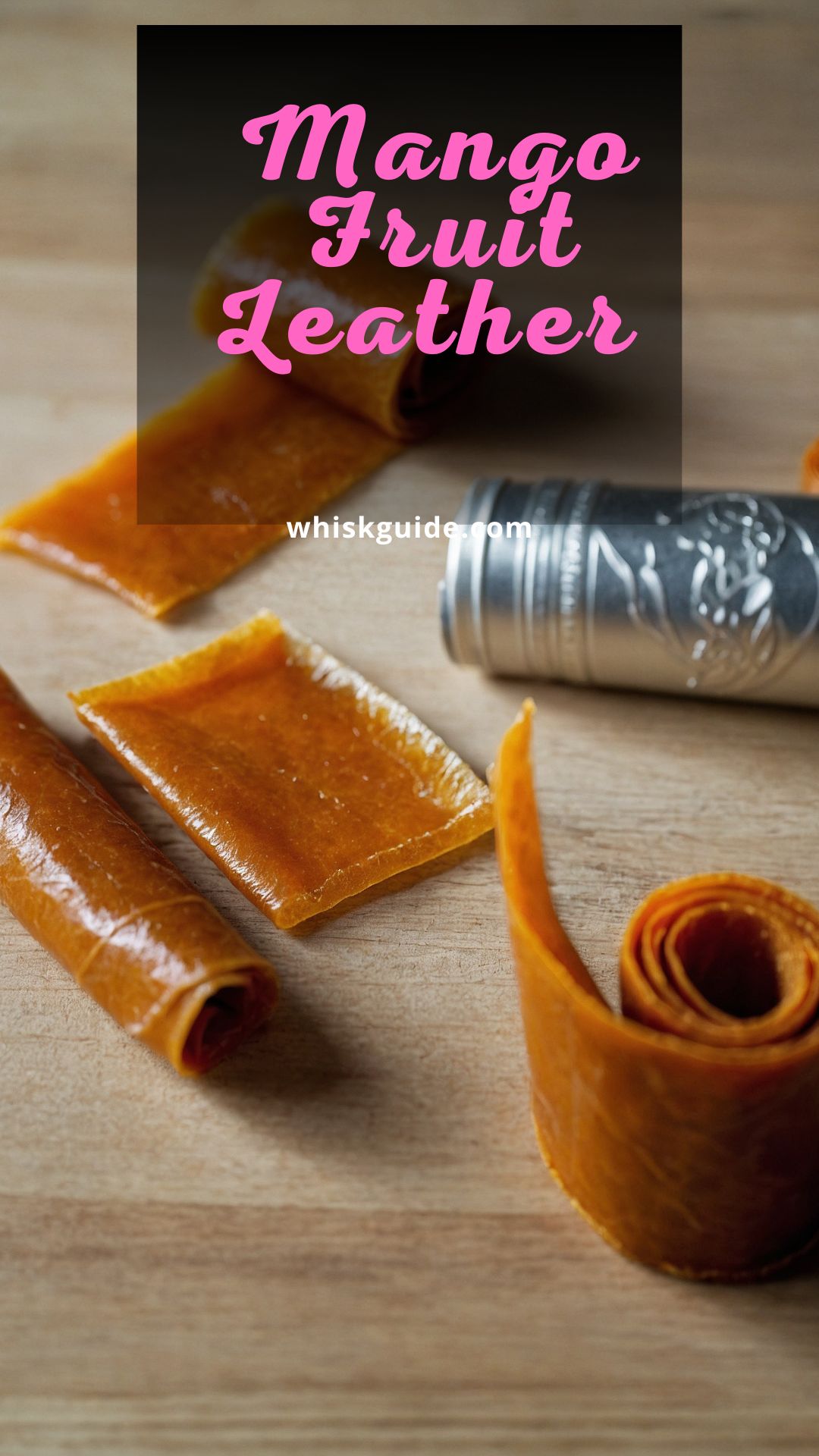
Before diving into the juicy goodness of mango fruit leather, it’s essential to think about what you can pair this delightful snack with. Picture this: a warm afternoon, and you’re lounging with your friends. You pull out a batch of mango fruit leather—its vibrant hue catching everyone’s eye. Now, imagine serving it alongside a refreshing coconut yogurt dip.
The smooth creaminess of the yogurt pairs perfectly, calming the tangy sweetness of the mango. Alternatively, you could offer it with a handful of nutty trail mix for that crunchy contrast. If you’re feeling adventurous, a slice of sharp cheese can add an unexpected twist, creating a sweet and savory experience to tantalize the taste buds.
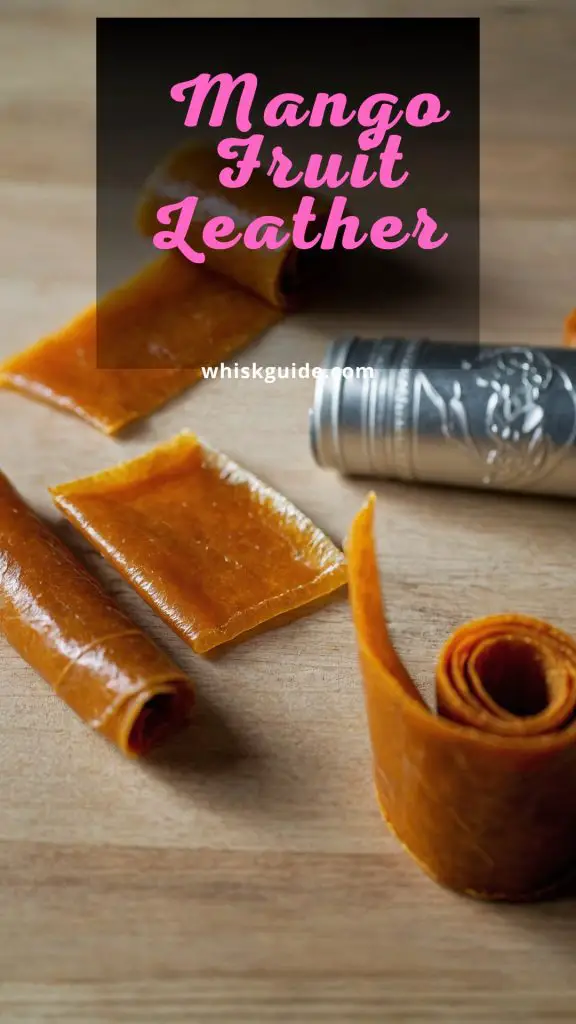
Let me take you back, way back to my childhood. Summer was the best time of year. My family would visit my grandmother’s house, where mango trees danced gently in the breeze. One of my favorite memories is watching my grandma peel mangoes and turn them into all sorts of delicious recipes. The star of the show? Mango fruit leather. The flavor exploded in my mouth, a perfect balance of sweet and tangy. Even today, I believe nothing compares to that homemade delight.
Mango fruit leather is more than just a snack. It’s a way to capture the essence of summer, to savor the sweet taste of ripe mangoes anytime you want. This blog post will take you through everything you need to know about making this delectable treat.
You Might Also Like These Recipes!
What is Mango Fruit Leather?
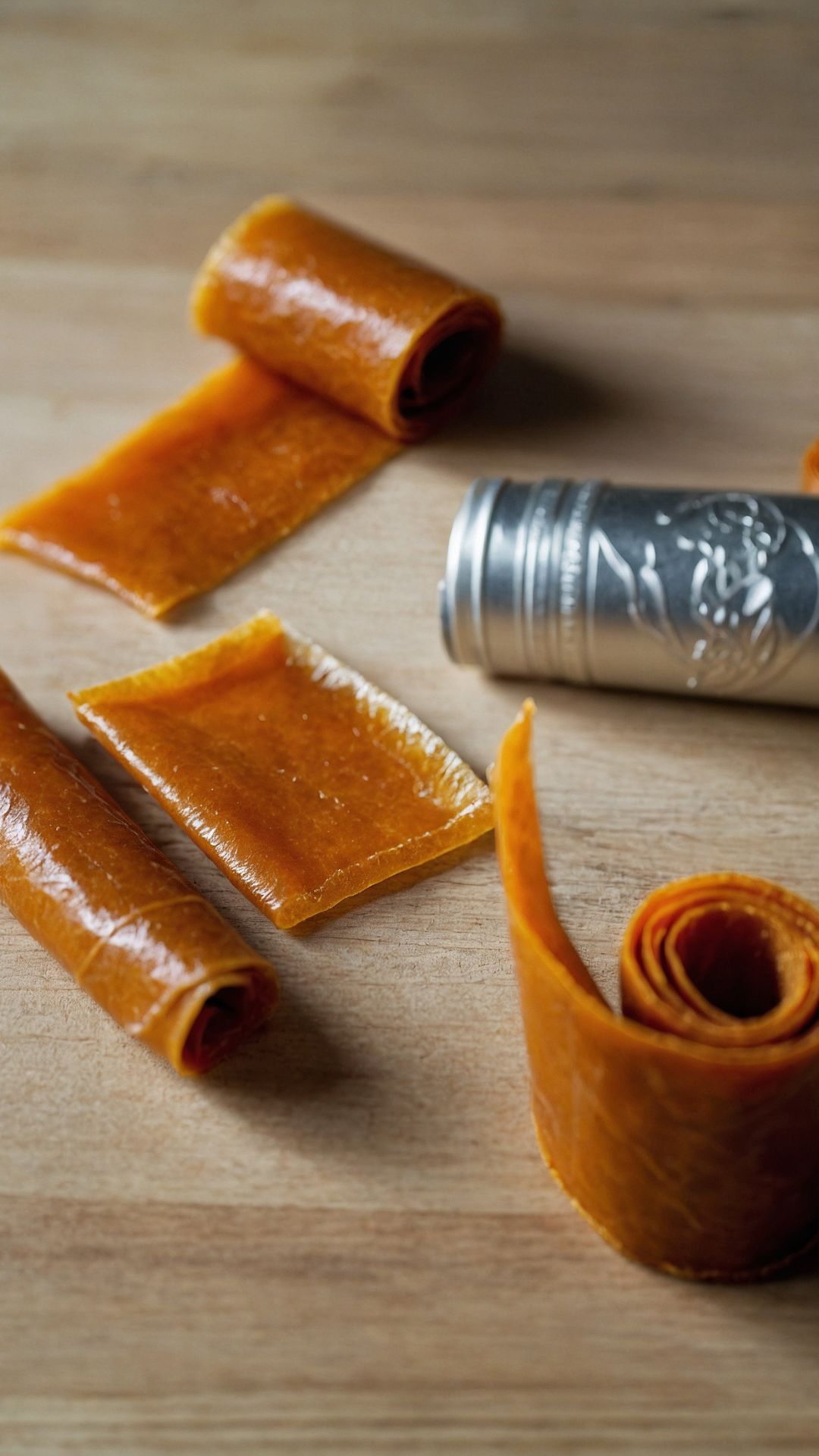
Mango fruit leather offers a chewy texture with bold flavors. In essence, it’s pureed mango that gets dehydrated until it becomes a portable, shelf-stable snack. There’s no added sugar, no preservatives—just fruit in its glorious form. The result is a vibrant, flexible strip that highlights the natural sweetness and tartness of mangoes. It’s perfect for outdoor adventures, lunch boxes, or whenever you need a quick energy boost.
What is the Flavor Profile of This Dish?
Imagine walking through a tropical garden. That’s the flavor profile of mango fruit leather. It’s bright, fresh, and slightly tangy. As you take a bite, the sweet notes hit immediately, followed by a zest that respectfully reminds you of the mango’s skin. Each chew releases an essence reminiscent of sun-kissed orchards and summer days. It’s fruit bliss wrapped up in a bite, a snack that can revive even the weariest of spirits.
What Makes This Recipe Different From Other Mango Fruit Leather?
Many recipes for fruit leather use added sugars or artificial flavors. My version stands out by keeping it simple and natural. Using just ripe mango, fresh lime juice, and a touch of honey or agave syrup, we emphasize the authentic taste of the fruit. This approach not only keeps it healthier but also allows you to fully enjoy the lovely nuances of the mango.
Ingredients You’ll Need
- 3 cups ripe mango chunks (fresh or frozen, slightly chilled)
- 1 tablespoon fresh lime juice (to brighten the mango flavor)
- 1 teaspoon honey or agave syrup (to enhance natural sweetness)
Step by Step Directions
Now let’s get our hands dirty, shall we? Here’s how to make mango fruit leather.
Step 1: Prepare the Mango
Start by gathering your mangoes. You need three cups of ripe mango chunks. If you’re using fresh mangoes, peel them, slice them, and remove the pit. If you prefer, frozen mango can work too. Just thaw it slightly before measuring. Safety first!
Step 2: Blend the Ingredients
Toss the mango chunks, lime juice, and honey (or agave syrup) into a blender. Blend until the mixture reaches a smooth consistency. You can use a food processor if that’s your preference. Just make sure it’s well-mixed. The goal is a fruity delight without any clumps.
Step 3: Prepare for Dehydration
Now, grab a baking sheet and line it with parchment paper. This step is crucial! Without parchment, your fruit leather will stick worse than a kid to a candy machine. Pour the mango mixture onto the sheet and spread it evenly. Keep it about 1/4 inch thick for optimal drying.
Step 4: Dehydrate
Here’s where the magic happens. Preheat your oven to the lowest setting. Ideally, around 150°F (65°C). Place your baking sheet in the oven. Allow it to dehydrate for 6 to 8 hours. You’re looking for a soft, pliable texture. Halfway through, I recommend flipping the parchment paper to ensure even drying.
Step 5: Cool and Cut
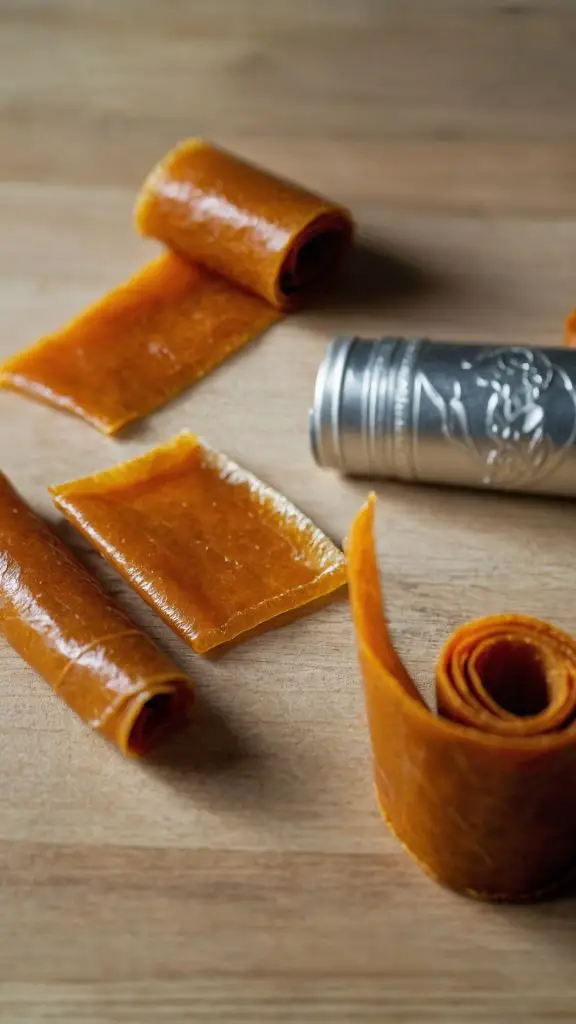
Once done, let the mango leather cool completely. Once cooled, peel it off the parchment paper and cut it into strips or shapes with scissors. You might want to roll them up individually for easy snacking later. Think of it as wrapping presents, but the present is deliciousness!
Tips On Making Mango Fruit Leather
To make your experience even better, here are some helpful tips:
Use overripe mangoes: They will yield the sweetest results.
Experiment with flavors: Try adding a pinch of chili powder or cinnamon for a spicy or warm kick.
Don’t rush the drying process: Low heat is your friend. Patience pays off with better texture.
Store properly: Once cooled, keep in an airtight container to maintain freshness.
Be mindful of thickness: A consistent thickness ensures even drying and prevents an overly chewy texture.
Nutrition Information
Mango fruit leather is not only delicious but also nutritious. Here’s a quick breakdown per serving:
- Calories: 80
- Total Fat: 0g
- Carbohydrates: 21g
- Protein: 1g
- Fiber: 2g
- Sugars: 15g (natural sugars from mango)
How Can I Store This Mango Fruit Leather?
Storing your homemade mango fruit leather is straightforward. After slicing, place the strips in an airtight container. They can also be wrapped in plastic wrap, then stored in a cool, dark place. They can last 1-2 weeks at room temperature, or longer (up to six months) in the freezer. Just be sure to label and date it; you don’t want to forget what flavor it is!
If the Items Are Not Available in Your Kitchen, What Are Some Substitute Options for the Ingredients?
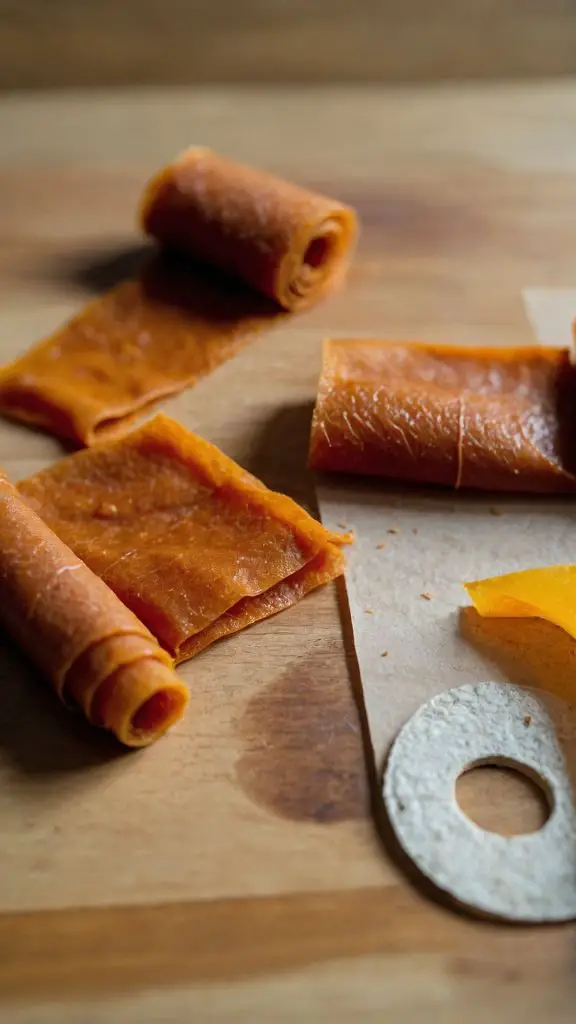
Sometimes you might find yourself in a pinch. No mangoes? No problem! Here are some substitutes:
Peaches: Use ripe peaches in place of mango. They offer a similar sweetness and texture.
Pineapple: A refreshing twist, pineapple can give a tropical flair while still being delightfully sweet.
Passion Fruit: This might change the flavor profile, but it will give a tangy, exotic touch. Just add some extra honey for sweetness.
Apricots: Dried apricots blended until smooth can work. The flavor will differ, but the outcome will still be delightful.
Mango Fruit Leather
Ingredients
Equipment
Method
- Now let’s get our hands dirty, shall we? Here’s how to make mango fruit leather.
- Start by gathering your mangoes. You need three cups of ripe mango chunks. If you’re using fresh mangoes, peel them, slice them, and remove the pit. If you prefer, frozen mango can work too. Just thaw it slightly before measuring. Safety first!
- Toss the mango chunks, lime juice, and honey (or agave syrup) into a blender. Blend until the mixture reaches a smooth consistency. You can use a food processor if that’s your preference. Just make sure it’s well-mixed. The goal is a fruity delight without any clumps.
- Now, grab a baking sheet and line it with parchment paper. This step is crucial! Without parchment, your fruit leather will stick worse than a kid to a candy machine. Pour the mango mixture onto the sheet and spread it evenly. Keep it about 1/4 inch thick for optimal drying.
- Here’s where the magic happens. Preheat your oven to the lowest setting. Ideally, around 150°F (65°C). Place your baking sheet in the oven. Allow it to dehydrate for 6 to 8 hours. You’re looking for a soft, pliable texture. Halfway through, I recommend flipping the parchment paper to ensure even drying.
- Once done, let the mango leather cool completely. Once cooled, peel it off the parchment paper and cut it into strips or shapes with scissors. You might want to roll them up individually for easy snacking later. Think of it as wrapping presents, but the present is deliciousness!
Nutrition
Notes
Experiment with flavors: Try adding a pinch of chili powder or cinnamon for a spicy or warm kick.
Don’t rush the drying process: Low heat is your friend. Patience pays off with better texture.
Store properly: Once cooled, keep in an airtight container to maintain freshness.
Be mindful of thickness: A consistent thickness ensures even drying and prevents an overly chewy texture.
Tried this recipe?
Let us know how it was!Frequently Asked Questions
1. Can I make mango fruit leather in a dehydrator?
Absolutely! Using a dehydrator can be even more efficient. Set it to around 135°F (57°C) and let it dehydrate for 4 to 6 hours. Keep an eye on it for desired doneness.
2. How do I know when the mango leather is done?
The fruit leather is ready when it’s no longer sticky to the touch. It should peel easily from the parchment paper and bend without breaking.
3. Can I add other fruit to the mango leather?
Definitely! You can blend mango with other fruits like banana or berry for unique flavors. Just keep in mind that different fruits have different moisture content and may affect drying time.
4. Is this recipe suitable for kids?
Absolutely! Mango fruit leather is kid-friendly. It’s a healthier alternative to store-bought snacks, packed with natural sugars and nutrients.
5. Can I make this vegan?
Yes! Simply replace honey with agave syrup or maple syrup. Both options will work wonders.
Conclusion
And there you have it! Mango fruit leather is a simple yet extraordinary treat that captures the summer’s essence and transforms it into a year-round snack. It’s a delightful way to enjoy mangoes and an excellent option for healthy snacking. You can whip this up quickly on a weekend and have a stash ready for those busy weekday moments.
Plus, the creativity involved in pairing it with various foods is just endless! Trust me, once you make this easy snack at home, you might find the store-bought versions growing dusty on the shelf. Your taste buds will thank you. So, grab those mangoes and start blending—your journey into the sweet world of fruit leather awaits!
You Might Also Like These Latest Recipes!
Related Post
Vegan Fudge Recipe – Whisk GuideVegan Fudge Recipe – Whisk Guide
Imagine a cozy evening, perhaps a rainy day, where you curl up on the couch with a decadent piece of vegan fudge. What do you pair it with? For me,

Pamela’s Orange Cranberry Scones Recipe – Whisk GuidePamela’s Orange Cranberry Scones Recipe – Whisk Guide
Pamela’s Orange Cranberry Scones are a delightful treat, and pairing them with complementary items can take your breakfast or brunch to the next level. A savory cheese spread, such as

Pamela’s Gluten-free Ginger Snaps Recipe – Whisk GuidePamela’s Gluten-free Ginger Snaps Recipe – Whisk Guide
Before we dive into the tantalizing world of Pamela’s gluten-free ginger snaps, let’s take a moment to think about what complements these delightful cookies. Imagine pairing them with a warm