Vegetarian Chicken Stock – Whisk Guide
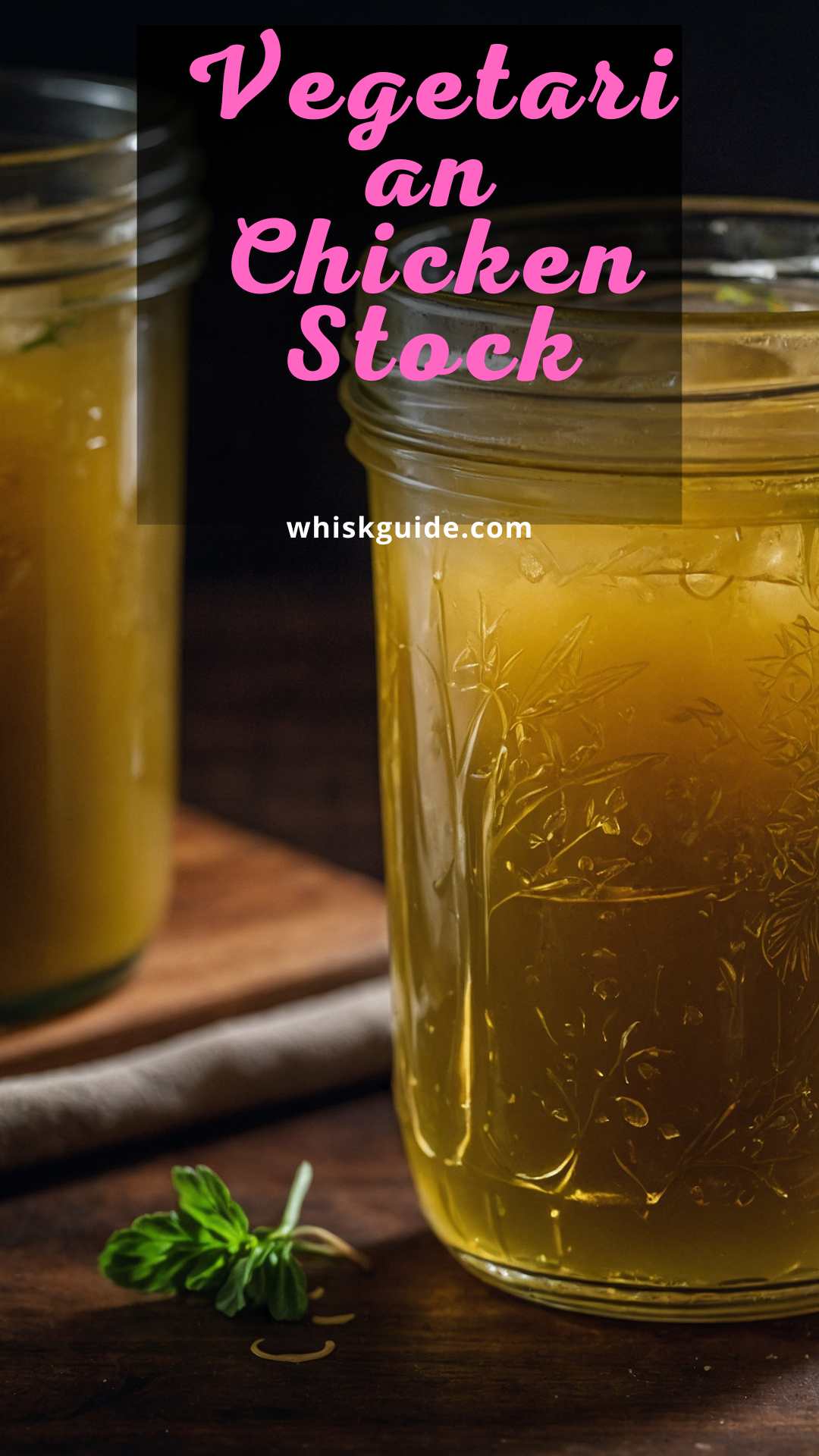
Ah, vegetarian chicken stock—a magical elixir that transforms ordinary dishes into extraordinary culinary experiences. It’s a staple in my kitchen, much like my trusty chef’s knife or my instant pot, and I can’t imagine cooking without it. The beauty is in its versatility. You can pair my homemade vegetarian chicken stock with risottos, soups, sauces, or even just a bowl of steamed veggies. It adds a depth of flavor that makes everything sing.
This recipe is remarkable for a few reasons. First, it’s incredibly easy to make. Whether you’re a seasoned cook or just starting, this stock comes together with minimal fuss. Second, it’s packed with nutrients, ensuring that you’re not just flavoring your food but also enriching it. Most importantly, it’s a fantastic way to use up those veggies that might be lingering in your fridge, so nothing goes to waste.
You Might Also Like These Recipes!
My Culinary Journey with Ingredients
Let me tell you how I fell in love with this recipe. It started in a tiny apartment kitchen, where I would throw any vegetable I had on hand into a pot along with some water and call it “soup”. Over time, I learned that the right combination of ingredients could create a symphony of flavors. The robust taste of fresh herbs, the sweetness of carrots, and the earthiness of celery all play their part in creating something unforgettable.
Here’s a quick look at what goes into my vegetarian chicken stock:
- Onions: These golden gems form the backbone of flavor. Their sweetness comes forward as they simmer.
- Carrots: Not just for color; they add a natural sweetness that balances the broth.
- Celery: Earthy and aromatic, celery is a must-have. Its flavor is quintessential for any good stock.
- Leeks: With their mild oniony aroma, they bring a delicate nuance.
- Garlic: A couple of crushed cloves add warmth and depth.
- Fresh Thyme & Parsley: These herbs lighten the broth, bringing a refreshing note.
- Bay Leaf: A leaf or two enhances complexity.
- Spices: Ground turmeric, smoked paprika, and coriander seeds work wonders, adding warmth and earthiness.
- Soy Sauce or Tamari: For that elusive umami punch that makes the stock savory.
- Sea Salt: Just enough to bring all the flavors together without overpowering.
Ingredients List
Here’s what you need for a stellar batch of vegetarian chicken stock:
- 1 large yellow onion, cut into quarters
- 4 medium carrots, peeled and chopped into chunks
- 4 stalks celery, cleaned and cut into large pieces
- 2 leeks (white and light green parts only), halved lengthwise and rinsed thoroughly
- 2 cloves garlic, lightly crushed
- 8 sprigs fresh thyme
- 8 sprigs fresh flat-leaf parsley
- 1 dried bay leaf
- 5 whole black peppercorns
- 18 cups cold water
- 1 teaspoon ground turmeric
- 1 teaspoon smoked paprika
- 1 teaspoon coriander seeds
- 1 teaspoon soy sauce or tamari
- Sea salt, to taste
How to Make Vegetarian Chicken Stock
Now, let’s dive into making this delightful stock step-by-step. Believe me, you’ll love the smell that wafts through your home as it cooks!
Step 1: Gather Your Ingredients
Start by collecting everything on the list. Preparing all your ingredients beforehand makes cooking a breeze. Ask me how I know that—I’ve had many a chaotic moment trying to chop veggies while keeping an eye on boiling water!
Step 2: Prep the Vegetables
Chop the onions, carrots, celery, and leeks. Don’t stress about cutting them perfectly; they’ll all break down in the stock. Just make sure they are similar in size for even cooking. Crush the garlic lightly with the side of your knife to release those magical oils.
Step 3: Combine Ingredients in a Stock Pot
In a large stock pot, add the chopped onions, carrots, celery, leeks, and garlic. Pour in the cold water—this is the most important part! Starting with cold water allows for a gradual extraction of flavors.
Step 4: Add Herbs and Spices
Toss in the thyme, parsley, bay leaf, black peppercorns, turmeric, smoked paprika, coriander seeds, and soy sauce or tamari. The whole pot will soon become a fragrant adventure!
Step 5: Bring to a Boil, Then Simmer
Turn the heat on high and bring everything to a rapid boil. Once the pot bubbles with excitement, reduce the heat, cover it with a lid slightly ajar, and let it simmer. This usually takes about 1.5 to 2 hours. Don’t forget to skim off any foam that rises to the top.
Step 6: Strain the Stock
After the simmering session, turn off the heat and let the stock cool slightly. Use a fine mesh strainer to separate the liquid from the veggies. Compost the solids or save them for another recipe if you’re feeling adventurous.
Step 7: Season to Taste
Finally, taste your stock and add sea salt as needed. The perfect seasoning can elevate your dish beyond just good to unforgettable.

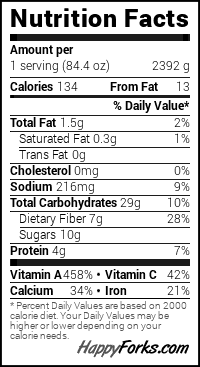
Nutrition Information
Recipe Notes
- Onions: Yellow onions are the best choice for stock due to their balanced sweetness.
- Carrots: They should be fresh and firm to contribute the right amount of sweetness.
- Celery: For optimal flavor, use organic celery if possible; the taste is superior.
- Leeks: Make sure to rinse them well to remove any grit that hides between the layers.
- Fresh Herbs: Opt for fresh herbs over dried; they provide more flavor and brightness.
- Spices: Feel free to adjust the spices to suit your preference. Add more smoked paprika for a deeper flavor or more turmeric for a beautiful golden color.

Recipe Variations
If you’re ready for some variations, here are just a few:
- Mushroom Stock: Swap a cup or two of veggies for dried mushrooms. They add an incredible umami flavor.
- Spicy Version: Add a few crushed red pepper flakes or some sliced jalapeños for heat.
- Herb Blend: Experiment with other herbs such as dill or rosemary for a different aromatic profile.
- Citrus Twist: Toss in the peels of a lemon or orange for a hint of brightness that can elevate the stock’s flavor.
- Root Veggie Stock: Use parsnips or turnips instead of some of the carrots for an earthy twist.
- Asian Flare: Incorporate lemongrass and ginger for an Asian-inspired stock.


Vegetarian Chicken Stock
Ingredients
Equipment
Method
- Now, let’s dive into making this delightful stock step-by-step. Believe me, you’ll love the smell that wafts through your home as it cooks!
- Start by collecting everything on the list. Preparing all your ingredients beforehand makes cooking a breeze. Ask me how I know that—I’ve had many a chaotic moment trying to chop veggies while keeping an eye on boiling water!
- Chop the onions, carrots, celery, and leeks. Don’t stress about cutting them perfectly; they’ll all break down in the stock. Just make sure they are similar in size for even cooking. Crush the garlic lightly with the side of your knife to release those magical oils.
- In a large stock pot, add the chopped onions, carrots, celery, leeks, and garlic. Pour in the cold water—this is the most important part! Starting with cold water allows for a gradual extraction of flavors.
- Toss in the thyme, parsley, bay leaf, black peppercorns, turmeric, smoked paprika, coriander seeds, and soy sauce or tamari. The whole pot will soon become a fragrant adventure!
- Turn the heat on high and bring everything to a rapid boil. Once the pot bubbles with excitement, reduce the heat, cover it with a lid slightly ajar, and let it simmer. This usually takes about 1.5 to 2 hours. Don’t forget to skim off any foam that rises to the top.
- After the simmering session, turn off the heat and let the stock cool slightly. Use a fine mesh strainer to separate the liquid from the veggies. Compost the solids or save them for another recipe if you’re feeling adventurous.
- Finally, taste your stock and add sea salt as needed. The perfect seasoning can elevate your dish beyond just good to unforgettable.
Nutrition
Notes
- Onions: Yellow onions are the best choice for stock due to their balanced sweetness.
- Carrots: They should be fresh and firm to contribute the right amount of sweetness.
- Celery: For optimal flavor, use organic celery if possible; the taste is superior.
- Leeks: Make sure to rinse them well to remove any grit that hides between the layers.
- Fresh Herbs: Opt for fresh herbs over dried; they provide more flavor and brightness.
Tried this recipe?
Let us know how it was!Frequently Asked Questions
1. How long does vegetarian chicken stock last?
Homemade vegetarian chicken stock can last up to 5 days in the refrigerator. If you want it to last longer, consider freezing it in portioned amounts.
2. Can I pressure cook this stock?
Yes, a pressure cooker can significantly decrease the time needed to make stock. Cook it under high pressure for about 30 minutes, then let it naturally release.
3. Should I add salt during the cooking process?
It’s best to add salt at the end. This allows you to control the seasoning based on how you plan to use the stock later.
4. How can I enhance the flavor if I find it bland?
If the stock isn’t as flavorful as you want, try adding more herbs or a splash of vinegar. Acid can brighten the flavors and balance the sweetness.
5. Can I use vegetable scraps to make this stock?
Absolutely! Save veggie scraps like onion skins, carrot tops, and cilantro stems. Just make sure any scraps are clean and free from rot.
6. What can I do with leftover stock?
Use it as a base for soups, risottos, or grains. You can also use it to enhance the flavor of marinades or braises.
Conclusion
In the world of cooking, vegetarian chicken stock is a game-changer. It’s not just a liquid; it’s a flavor powerhouse, a health booster, and a way to reduce food waste. Making your own stock brings a sense of satisfaction that you just can’t get from a store-bought version. I’ve shared my journey, cooking tips, and my best recipe so you can create something wonderful in your own kitchen.
My hope is that this stock recipe becomes a staple for you, just as it is for me. It’s simple, flexible, and the perfect introduction to the joys of homemade cooking. So roll up your sleeves and gather those veggies! Your meals will thank you. Happy cooking!
You Might Also Like These Latest Recipes!
Related Post

Rosemary Honey Butter Roasted Carrots Recipe – Whisk GuideRosemary Honey Butter Roasted Carrots Recipe – Whisk Guide
If you’re planning a meal that features rosemary honey butter roasted carrots, you’re in for a treat. This dish pairs beautifully with a variety of proteins like grilled chicken, roasted

Vegan Samosas Recipe – Whisk GuideVegan Samosas Recipe – Whisk Guide
Before diving into the details of crafting vegan samosas, it’s worth mentioning what pairs well with this delightful dish. Vegan samosas are flavorful on their own, but they shine even
Applebee’s Salad Recipe – Whisk GuideApplebee’s Salad Recipe – Whisk Guide
Picture this: a bustling summer barbecue, the sun shining, and laughter echoing through the air. You’ve got burgers sizzling on the grill and your family or friends gathered around, yet